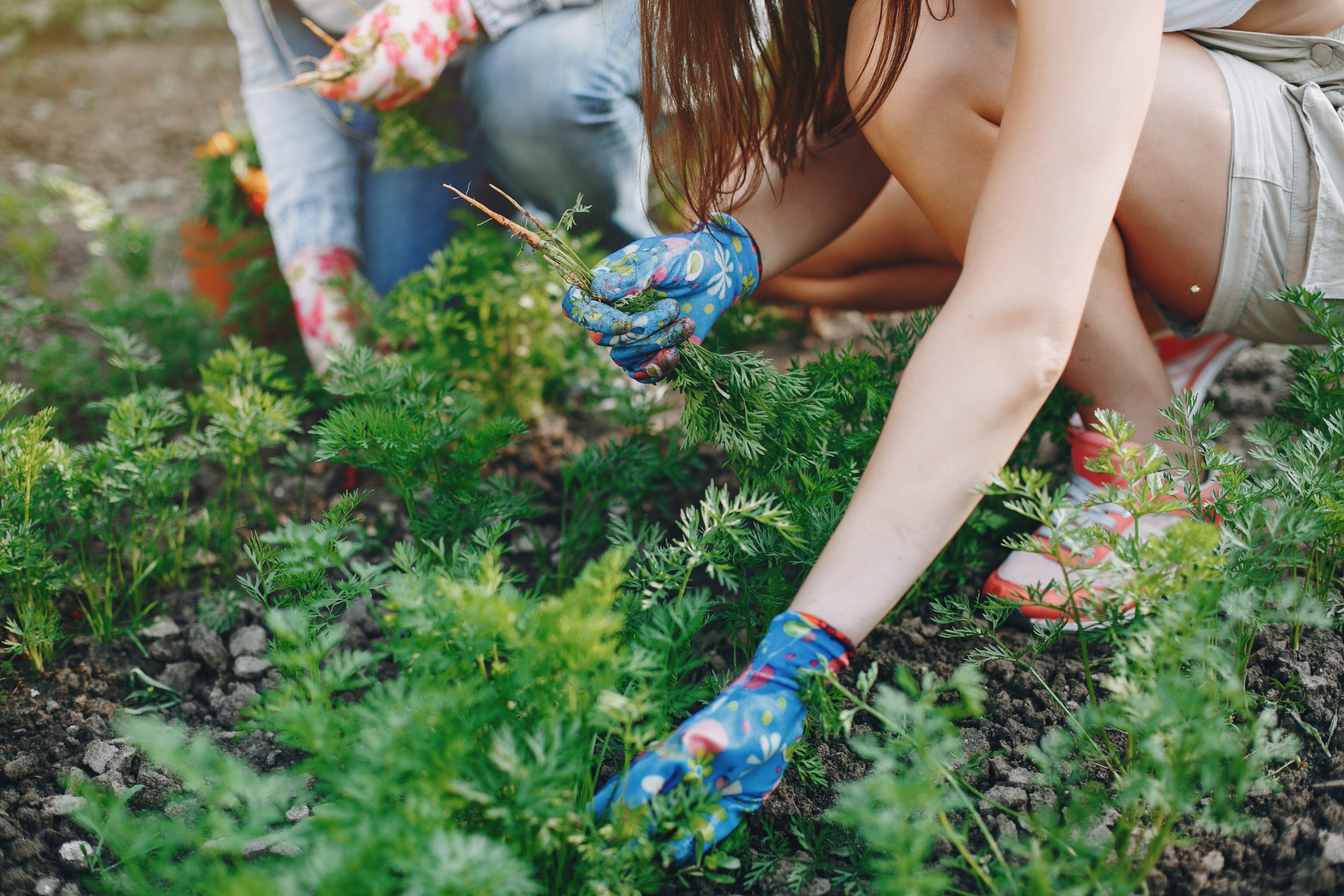
Community gardens have quietly reshaped many European cities over the last two decades. They turn vacant plots, rooftops and pocket-parks into places that produce food, build social ties, improve urban ecology, and give citizens a hands-on way to shape their neighbourhoods.
What is a community garden?
A community garden is a shared piece of land (or series of raised beds, rooftop plots, or other managed growing spaces) where people (individuals, families, neighbourhood groups or organisations) cultivate plants together or in individual plots for food, flowers, learning and recreation.
How community gardens help people belong
Community gardens are powerful social infrastructure. They create low-barrier, regular opportunities for people to meet, share skills, and cooperate — activities that build trust and neighbourly ties. Research shows gardens provide meaningful contact points for groups that are often socially excluded: migrants, older people, unemployed residents and people with disabilities. Participating in gardening activities helps newcomers learn local languages and norms, and it gives marginalised residents a visible, practical role in neighbourhood life. Studies and reviews also link community gardening to improved mental health, a greater sense of agency, and stronger social networks.